
Top Waterproofing Products for Reliable Moisture Protection
Explore the leading waterproofing solutions designed to safeguard your property from water damage and ensure lasting durability.
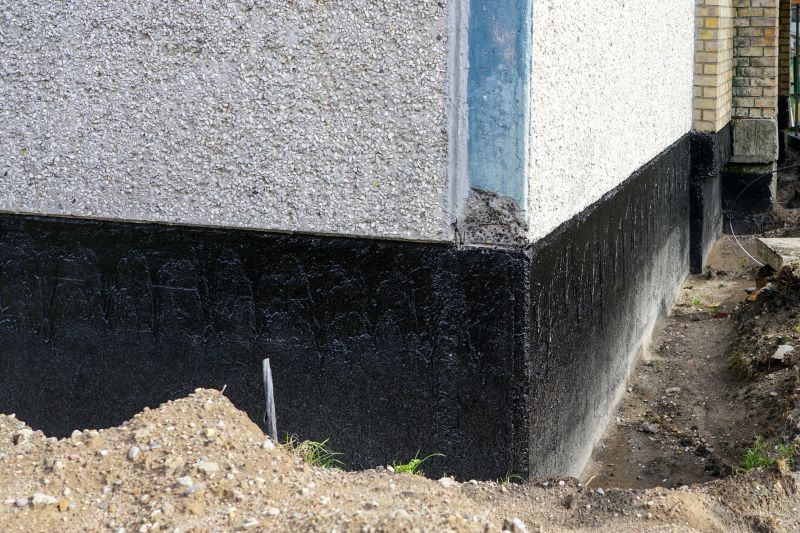 Waterproofing products are essential for protecting structures, foundations, and surfaces from water intrusion and damage. Whether tackling basement leaks, sealing rooftops, or safeguarding concrete surfaces, a variety of products are available to suit different needs. Proper selection and application of waterproofing materials can help prevent costly repairs and maintain the integrity of buildings and outdoor spaces. Understanding the different types of waterproofing solutions can assist homeowners and professionals in making informed decisions tailored to specific projects.
Top Overall Option
Comprehensive Waterproofing System
A versatile waterproofing system that combines multiple application methods, such as liquid membranes and sheet barriers, offering adaptable solutions for different surfaces and conditions. Designed for durability and ease of use, it provides a reliable layer of protection for foundations, roofs, and underground structures. Properly applied, it can help maintain structural integrity over time.
Types of Products For Waterproofings
Liquid Waterproofing Membranes
Flexible coatings that can be brushed, rolled, or sprayed onto surfaces for seamless water barriers.
Sheet Membranes
Pre-formed sheets made of rubber, bitumen, or plastic that provide a durable, continuous barrier.
Bituminous Coatings
Asphalt-based materials suitable for roofing and below-grade waterproofing applications.
Polyurethane Sealants
Flexible sealants used to fill joints and cracks to prevent water infiltration.
Cementitious Waterproofing
Waterproof cement-based coatings ideal for basements and water tanks.
Liquid Rubber Coatings
Elastomeric coatings that provide waterproof protection with high flexibility.
Bitumen Sheets
Self-adhesive or torch-applied sheets for roofing and foundation waterproofing.
Pond Liners
Heavy-duty liners used to contain water in ponds and decorative water features.
Waterproofing Paints
Coatings that can be painted onto surfaces to add a water-resistant layer.
Crack Fillers and Patches
Materials designed to seal cracks and prevent water penetration in concrete and masonry.
Hydrophobic Sealants
Silane or siloxane-based products that penetrate surfaces to repel water.
Waterproofing Tapes
Self-adhesive tapes used to seal joints, seams, and cracks in various surfaces.
Popular Choices
Widely used for their ease of application and seamless coverage, suitable for roofs and decks.
Flexible, durable membranes often used in roofing and below-grade waterproofing.
Commonly selected for foundation and roof waterproofing due to their robustness.
Popular for sealing joints and cracks in concrete and masonry surfaces.
Preferred for basement walls and water tanks for their compatibility with concrete surfaces.
Chosen for their high elasticity and waterproofing properties in roofing projects.
Convenient for quick installation on foundations and flat roofs.
Popular for landscaping and water features, offering reliable water containment.
Used for surfaces requiring a thin, protective water-resistant layer.
Frequently selected for minor repairs and preventing water seepage through cracks.
Penetrating sealants that help surfaces resist water penetration over time.
Versatile tapes used for sealing seams and joints in various waterproofing projects.
Key Buying Considerations
- Determine the specific surface type and choose a compatible waterproofing product.
- Assess the exposure conditions such as sunlight, water pressure, and temperature fluctuations.
- Consider the longevity and durability expectations for the project area.
- Evaluate ease of application, including tools required and drying time.
- Check for compatibility with existing materials and surfaces.
- Review the product’s flexibility and ability to accommodate structural movements.
- Ensure the product provides a seamless barrier to prevent water infiltration.
- Look into the product’s resistance to UV rays, chemicals, and weathering.
- Consider environmental factors, such as potential for ponding water or drainage issues.
- Verify the manufacturer’s instructions for surface preparation and application procedures.
- Determine if the product is suitable for interior, exterior, or underground use.
- Factor in budget constraints while prioritizing quality and effectiveness.
- Research customer reviews and expert recommendations for insights into performance.
- Check for any required maintenance or reapplication intervals.
- Ensure the product is approved or rated for the intended application area.